Long Tail Keywords in the AI Era: What Works Now
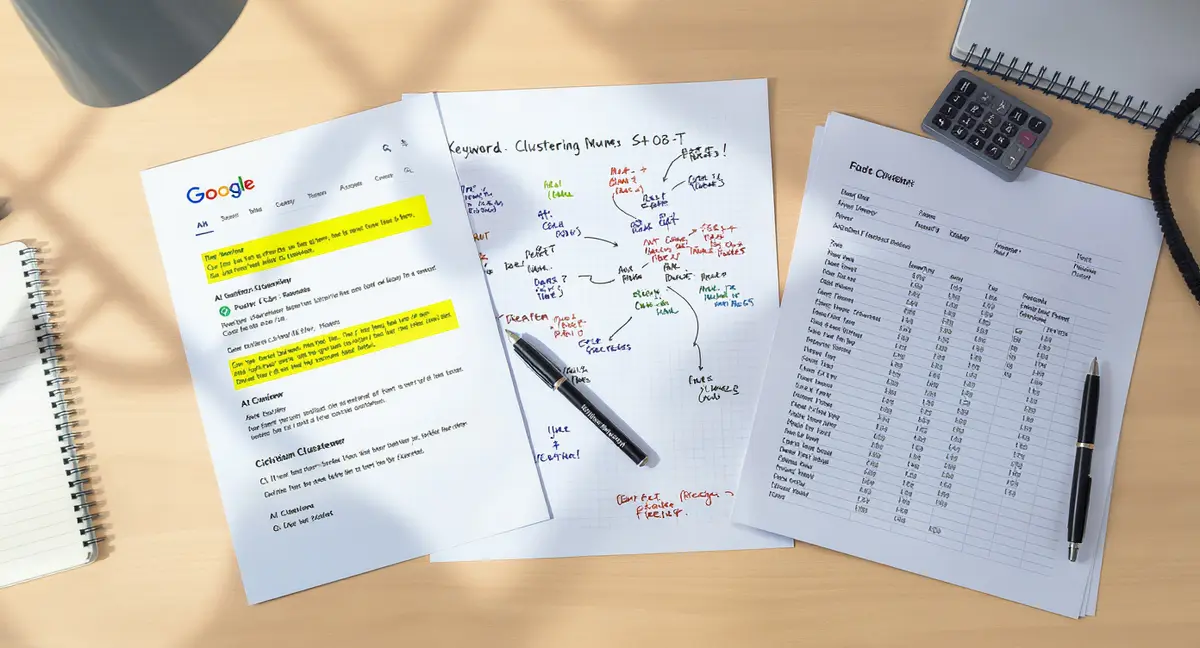
The short answer: Long tail keywords in the AI era target specific, conversational queries that AI systems like ChatGPT and Google AI Overviews use to select sources. They're typically 4+ words, focus on intent over exact match, and perform best when structured for answer extraction. Top performers focus on comparison queries, question-based content, and intent clustering. According to Search Engine Journal, long-tail queries now account for 92% of all searches, but only phrases optimized for AI citation formats appear in answer engines. Local service businesses face the same challenge, whether you're optimizing roofing marketing campaigns or running a dental practice with multiple locations.
Search behavior's changed. People don't type "SEO tools" anymore. They ask, "What's the best SEO platform for a local service business with no technical team?" That's a long tail keyword. And in 2026, whether your business shows up for that query depends less on traditional ranking and more on whether AI systems choose to cite you. Take a look at what's different now. Google's AI Overviews appear in 50% of searches, according to DemandSage. ChatGPT, Perplexity, and voice assistants answer questions without sending users to websites. The old playbook, stuff a page with keyword variations, build some links, wait for traffic, doesn't work when AI decides which 3-5 sources get mentioned. Long tail keywords in the AI era aren't just lower-volume phrases. They're the specific questions your customers ask out loud, the comparison searches they run before buying, the problem-solution queries that AI tools answer. If you're not optimizing for these, you're invisible where decisions happen. This article breaks down what's working: how to find long tail opportunities AI systems actually use, which query types still drive conversions, how to structure content so answer engines cite you, and what to stop doing. You'll see the difference between ranking and being selected, why intent clustering beats keyword lists, and how businesses are adapting their content systems for AI-first search.What Are Long Tail Keywords in the AI Era?
Long tail keywords used to mean "phrases with low search volume." That definition's outdated. In 2026, long tail keywords in the AI era are specific, conversational queries, typically four or more words, that reflect how people actually ask questions. They're the searches users type into Google, speak to Siri, or ask ChatGPT when they're close to a decision. The shift matters because AI systems don't rank pages. They select sources. When someone asks, "What's the ROI timeline for content marketing in professional services?" Google's AI Overview pulls from 3-5 pages. If your content isn't structured to answer that exact question with clear, extractable information, you're not in the conversation.How AI Changed Long Tail Search Behavior
People search differently now. Voice queries grew 300% between 2020 and 2024, according to Backlinko. Users ask complete questions instead of typing fragmented keywords. "Best CRM small business under $100/month" replaced "cheap CRM." AI tools trained users to expect direct answers, not lists of blue links. This changes what "long tail" means. It's not about volume anymore. It's about specificity and intent. A query like "how to optimize local SEO for multi-location healthcare practices" might get 50 searches per month, but those 50 people are ready to invest. AI Overviews now appear for 61% of commercial queries, according to DemandSage's 2025 research. If you're not targeting the long tail phrases that trigger those overviews, you're losing high-intent traffic. The format matters too. Long tail keywords in the AI era often start with question words: how, what, why, which, when. They include modifiers: "for small businesses," "without a developer," "in 2026." They're the searches people make when generic answers won't cut it.Why Exact Match Doesn't Matter Anymore
You don't need to match the keyword exactly. AI systems understand semantic meaning. If your content answers "What's the best email platform for ecommerce brands?" it'll also rank for "top email tools online stores" and "email marketing software for Shopify." Google's natural language processing connects intent across phrasing variations. That's why keyword stuffing's dead. Repeating "long tail keywords in the AI era" 47 times won't help. What works: answering the underlying question thoroughly, using related terms naturally, and structuring content so AI can extract the answer. Schema markup, clear headings, and FAQ sections signal to AI systems that your page contains the information they need. The goal isn't to rank for one phrase. It's to own the intent cluster. If you're targeting "content marketing ROI," you should also capture "how long does content take to show results," "measuring content performance," and "content vs paid ads ROI." AI systems pull from pages that demonstrate topical authority across related queries.How Do You Find Long Tail Keywords AI Systems Actually Use?
Finding long tail keywords in the AI era isn't about exporting 10,000 rows from a keyword tool. It's about identifying the specific questions your audience asks and the queries that trigger AI answers. The process starts with understanding where those questions live. Community sources matter more now. Reddit threads, Quora discussions, and industry forums show you the exact language people use when they're stuck. Someone asking "Is it worth hiring an SEO agency or should I just use AI tools?" on Reddit is revealing a long tail keyword cluster you won't find in traditional research platforms.Using AI-Assisted Research Workflows
Start with a head term related to your business. Let's say "local SEO." Use a keyword research platform to filter for queries with 4+ words. Look for question-based phrases, comparison terms, and niche modifiers. "Local SEO for dentists with multiple locations" is more valuable than "local SEO tips." Google's People Also Ask boxes are gold. They show the follow-up questions users actually click. If you search "content marketing strategy," PAA shows "How long does content marketing take to work?" and "What's a realistic content marketing budget?" Those are your long tail targets. Each PAA question can become a dedicated section or page. Voice search data reveals conversational queries. Tools like Google Search Console show the actual phrases people use. Filter by impressions and look for longer queries with decent click-through rates. You'll find patterns: "near me" searches, "how to" questions, "best X for Y" comparisons. These are the queries AI systems answer.Evaluating Which Long Tail Queries Are Winnable
Not every long tail keyword's worth targeting. You need to assess competition and AI visibility. Search the phrase yourself. Does Google show an AI Overview? If yes, which sources does it cite? If the overview pulls from enterprise sites with massive authority, you'll struggle to break in. Look for queries where AI Overviews cite smaller, specialized sources. That signals the query rewards expertise over domain authority. "How to structure content for AI search" might cite a marketing consultant's blog over Forbes because the consultant's content is more specific and actionable. Check the intent. Comparison queries ("X vs Y"), review searches ("best X for Y"), and problem-solution phrases ("how to fix X without Y") convert better than generic informational queries. According to HubSpot's 2024 State of Marketing report, comparison content drives 3x higher conversion rates than general educational content.How Should You Structure Content for Long Tail Keywords in the AI Era?
Structure matters more than word count. AI systems extract answers from pages with clear hierarchy, direct responses, and supporting evidence. A 3,000-word wall of text won't get cited if the answer's buried in paragraph 47. Use question-based headings. If you're targeting "What's the ROI timeline for SEO?" make that an H2. Answer it in the first paragraph under that heading. Then provide supporting detail. AI systems scan headings to determine if a page answers the query. If your heading says "Understanding SEO Results" instead of "How Long Does SEO Take to Show Results?" you're making it harder for AI to match your content to the query.Optimizing for Answer Extraction and AI Citations
AI systems prefer structured data. Use schema markup for FAQs, How-Tos, and articles. Include a clear, concise answer in the first 50-60 words of each section. Follow with evidence: statistics, examples, expert quotes. This format mirrors how AI Overviews display information. Lists and tables work. If you're answering "What are the best long tail keyword types for ecommerce?" present them in a numbered list or comparison table. AI systems can extract and display structured information more easily than prose. According to Search Engine Journal, pages with tables or lists are 40% more likely to appear in featured snippets and AI Overviews.| Factor | What it is | Impact |
|---|---|---|
| Question-based headings | H2/H3 tags phrased as natural questions users ask | High – AI systems match headings to queries |
| Answer-first structure | Direct response in first 50-60 words of each section | High – enables answer extraction |
| Schema markup | Structured data for FAQs, How-Tos, articles | Medium – improves AI parsing |
| Supporting evidence | Stats, examples, expert quotes after main answer | High – builds authority for citations |
| Intent clustering | Covering related queries on same page vs separate pages | Medium – depends on query overlap |
When to Build a Page vs Fold Queries Into Existing Content
You don't need a separate page for every long tail keyword. If queries share the same core intent, cluster them on one page. "How to optimize for voice search," "voice search SEO tips," and "voice search ranking factors" can live together. They're asking the same thing with different phrasing. Build a dedicated page when the intent's distinct or the query has commercial value. "Best SEO tools for agencies" and "Best SEO tools for freelancers" target different audiences with different needs. They deserve separate pages. Same with comparison queries: "marketing automation platform vs email marketing platform" should be its own page, not a section in a general email marketing guide. Look at search volume and conversion potential. If a long tail query gets 30 searches per month but those searchers have high purchase intent, build the page. A query like "enterprise SEO platform for multi-location healthcare" might have tiny volume, but the businesses searching it have big budgets.Which Long Tail Keyword Types Still Drive Conversions?
Not all long tail keywords in the AI era perform equally. Some query types consistently drive action. Others generate traffic that bounces. The difference comes down to intent and where the searcher is in their decision process. Comparison queries convert. When someone searches "Shopify vs WooCommerce for dropshipping," they're evaluating options. They're past awareness. They're ready to choose. According to HubSpot, comparison content converts 3x better than general educational content because it addresses decision-stage questions.Review and "Best Of" Queries
"Best X for Y" searches signal buying intent. "Best project management tool for remote teams under 20 people" is a long tail keyword from someone who's ready to sign up. They've defined their need, their constraints, and their use case. Your job is to give them a clear recommendation with reasoning. AI can't fully replace evaluation here. ChatGPT can list options, but it struggles with context-specific recommendations. A human-written review that says "If you're a 5-person agency that needs client portals and time tracking, use Teamwork. If you're a 15-person product team that lives in Slack, use Asana" provides value AI summaries can't match. These queries also appear in AI Overviews, but the overviews often cite multiple sources. That creates opportunity. If you're one of the 3-5 sources cited for "best CRM for real estate agents," you're visible even if users don't click through. Brand awareness compounds over time.Problem-Solution and "How To" Queries
Problem-solution searches reveal pain. "How to rank locally without paying for ads" or "How to optimize content when you don't have a technical team" are long tail keywords from people who've tried something and it didn't work. They're looking for a specific fix. Structure these as step-by-step guides. Use numbered lists. Include examples. If you're explaining "how to find long tail keywords for AI search," walk through the exact workflow: start with a head term, filter by word count, check People Also Ask, evaluate AI Overview citations, assess winnability. Make it actionable. Voice search loves "how to" queries. When someone asks Alexa "How do I optimize my Google Business Profile?" they want a quick answer. If your content provides a clear, concise response in the first paragraph, you're more likely to be the source voice assistants read aloud.See How Your Business Shows Up in AI Search
Get a free AI visibility scan. See exactly where you rank on ChatGPT, Perplexity, and Google AI, and what to do about it. Get Your Free Scan. The same principle applies to outdated tactics like meta keywords, which AI systems ignore entirely in favor of semantic understanding.
How Do You Measure Performance Beyond Rankings?
Traditional rank tracking doesn't tell the full story anymore. A page can rank #3 and generate zero traffic if an AI Overview answers the query above it. You need to track AI visibility separately. Monitor AI Overview appearances. Tools like Google Search Console show impressions and clicks, but they don't tell you when your page appears in an AI Overview without getting clicked. You'll need to manually search your target queries or use enterprise SEO platforms that track AI visibility. The metric that matters: are you one of the cited sources?Tracking AI Citations and Answer Engine Visibility
Check ChatGPT, Perplexity, and Google's AI Overviews directly. Search your target long tail keywords in each platform. Does your business appear? If yes, how is it described? If no, which competitors are cited? This manual audit reveals where you're visible and where you're not. According to SingleGrain's 2025 research, visitors from AI-sourced answers convert at 27% compared to 2.1% from traditional organic search. That's a 12x difference. If you're getting cited in AI answers, even low traffic can drive meaningful revenue. Track conversions by source to measure this. Set up UTM parameters for AI referral traffic when possible. Some AI platforms include referrer data. You can see when traffic comes from ChatGPT or Perplexity. This helps you understand which long tail keywords in the AI era are actually driving business outcomes, not just impressions.Measuring Intent Cluster Performance vs Individual Keywords
Stop tracking individual keyword ranks. Track intent clusters. If you've built a page targeting "content marketing ROI," measure its performance across all related queries: "how long does content take to work," "measuring content performance," "content vs paid ads." A page that ranks #8 for 40 related queries drives more traffic than a page that ranks #1 for one. Use Google Search Console's query report. Filter by page, then look at all queries driving impressions. You'll see the full range of long tail variations your content captures. If a page built for "local SEO for dentists" also ranks for "dental practice SEO," "dentist Google ranking," and "how to get more dental patients online," you've successfully owned the cluster. Conversion tracking matters more than traffic. A page getting 50 visits per month from high-intent long tail queries like "best SEO system for home service businesses" can generate more revenue than a page getting 500 visits from generic informational searches. Track form fills, demo requests, and sales by landing page to see which long tail keywords actually drive business.What's the Best Approach to Building a Long Tail Strategy?
Building a long tail keyword strategy in the AI era requires infrastructure, not campaigns. You need a system that continuously identifies opportunities, creates optimized content, and measures AI visibility. Most businesses approach this one of three ways: build in-house, hire an agency, or install an owned system. In-house teams work if you've got dedicated content resources and technical SEO knowledge. You'll need someone to run keyword research weekly, someone to write and structure content for AI extraction, and someone to track performance across AI platforms. For most small and mid-sized businesses, that's 2-3 full-time roles. It's doable, but expensive. Agencies can execute, but you're renting their process. When you stop paying, the work stops. You don't own the research, the content calendar, or the optimization playbook. According to Focus Digital's 2025 report, SEO agencies see 38% annual churn. That means starting over every 2-3 years.Platforms like Strategyc's Content & Visibility Engine take a different approach: they install the publishing system on your infrastructure so you own it permanently. The system handles keyword research, content structuring for AI search, and performance tracking. You control the publishing pace and keep the infrastructure after the install. It's built for businesses that need long tail visibility but don't want to hire a team or pay monthly retainers. Professional services firms, from healthcare to legal, need the same specificity in their targeting (the approach mirrors how SEO keywords for lawyers focus on practice area and location modifiers).
How to Prioritize Long Tail Opportunities
Start with commercial intent. Prioritize comparison queries, "best of" searches, and problem-solution phrases over generic informational keywords. A query like "best local SEO service for multi-location restaurants" has 10x the conversion potential of "what is local SEO." Look for gaps in AI Overview citations. If you search a target query and the AI Overview cites weak sources, thin content, outdated information, or generic advice, that's an opportunity. You can win that citation by publishing better-structured, more specific content. Cluster related queries before you build. If you've identified 15 long tail keywords around "content marketing ROI," group them by subtopic: measurement methods, timeline expectations, industry benchmarks, comparison to paid ads. Build one complete page per subtopic instead of 15 thin pages. AI systems reward topical depth.Avoiding the Keyword List Trap
Don't build a spreadsheet with 500 long tail keywords and start writing. That's the old model. It produces shallow content that doesn't get cited. Instead, identify 10-15 high-value intent clusters. Build thorough resources for each cluster. Make each page the definitive answer to that question. Quality beats quantity in AI search. One page that thoroughly answers "How do I optimize content for voice search and AI Overviews?" will outperform five thin pages on related topics. AI systems prioritize depth and authority. They cite sources that demonstrate expertise, not sources that mention the keyword. Update existing content before creating new pages. If you've already got a page on "SEO for small businesses," expand it to cover long tail variations like "SEO for small businesses without a marketing team" and "affordable SEO strategies for startups." Add sections, update data, improve structure. AI systems favor recently updated content with full coverage.The Bottom Line on Long Tail Keywords in the AI Era
Long tail keywords in the AI era aren't about volume. They're about specificity, intent, and AI visibility. The businesses winning right now focus on comparison queries, question-based content, and intent clustering. They structure pages for answer extraction, track AI citations, and build systems that compound over time. Three things matter most: finding the queries AI systems actually answer, structuring content so you're one of the cited sources, and measuring performance beyond traditional rankings. If you're still optimizing for keyword density and backlink counts, you're fighting yesterday's battle. The shift's already happened. AI Overviews appear in half of all searches. Voice queries grew 300% in four years. Users expect direct answers, not lists of links. If your content isn't optimized for how AI selects sources, you're invisible where decisions happen. Start with the long tail queries your customers actually ask, build content that answers them clearly, and track whether AI systems cite you. That's the strategy that works now.Frequently Asked Questions
Are long tail keywords still worth targeting in the AI era?
Yes, but the approach's different. Long tail keywords in the AI era focus on specific, conversational queries that AI systems answer. They're worth targeting if you structure content for answer extraction and track AI citations, not just rankings. Comparison and problem-solution queries convert better than ever. Timeline expectations matter when evaluating whether to invest in long tail optimization, which is why understanding how long SEO takes to show results helps set realistic benchmarks for AI-era content strategies.
How do I find long tail keywords that AI systems actually use?
Start with Google's People Also Ask boxes, Reddit discussions, and voice search data in Search Console. Filter keyword research platforms for 4+ word queries. Check which sources AI Overviews cite for target queries. Look for question-based phrases and niche modifiers your audience actually uses.
Should I create separate pages for every long tail keyword?
No. Cluster related queries by intent. Build one complete page per cluster instead of multiple thin pages. Create dedicated pages only when intent's distinct or commercial value's high. AI systems reward topical depth over keyword-stuffed pages targeting individual phrases.
What does it take to own my visibility infrastructure for long tail search?
You need keyword research workflows, content structured for AI extraction, and performance tracking across AI platforms. In-house requires 2-3 dedicated roles. Installed systems like Strategyc's engine give you the infrastructure without hiring a team. Agencies work but you're renting their process, not owning it.
How do I measure ROI from long tail keyword content?
Track AI citations, not just rankings. Monitor which queries drive conversions, not just traffic. Use Google Search Console to see all queries a page captures. Measure conversion rate by landing page. According to SingleGrain, AI-sourced visitors convert at 27% vs 2.1% traditional search, so even low traffic can drive revenue.