7 Wordpress Themes That Move the SEO Needle in 2026
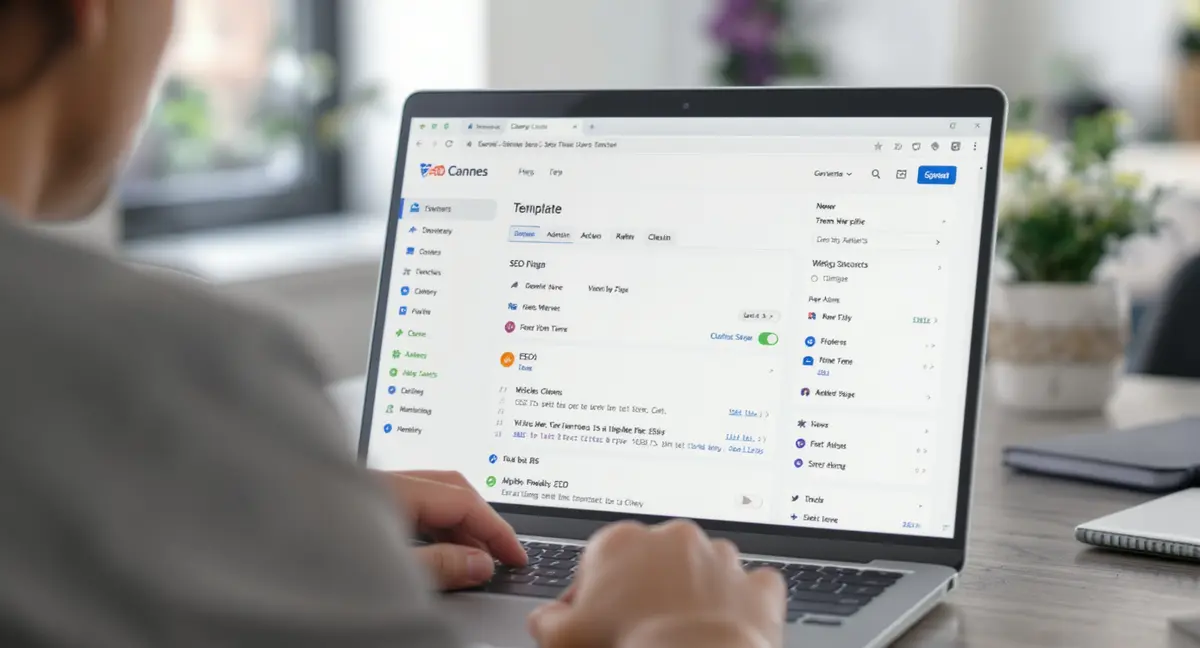
The short answer: A template wordpress seo friendly design prioritizes fast load times, semantic HTML, and schema markup over aesthetics. SEO-friendly WordPress themes load under 30KB, score 95–100 on Lighthouse tests, and support structured data natively without plugins. Success depends on Core Web Vitals compliance, built-in schema support, and performance at scale.
A template wordpress seo friendly design is not about aesthetics. It is about whether Google's crawlers can read your site in under 1.5 seconds, whether AI models can extract your content for ChatGPT answers, and whether your pages load fast enough to keep visitors from bouncing. WordPress powers 43% of all websites (W3Techs, 2026), but most themes ship with bloated code, render-blocking scripts, and zero schema markup. That gap between popularity and performance is costing businesses rankings. Local seo is worth reading alongside this.
Choosing a template wordpress seo friendly setup means selecting infrastructure that supports content velocity, not fighting against it. The wrong theme adds 2-3 seconds to page load time. The right one keeps you under Google's Core Web Vitals thresholds while you scale to hundreds of articles. This article breaks down the technical criteria that separate marketing claims from measurable performance, then evaluates seven themes that meet those standards. You will leave knowing exactly what to look for and which options deliver.
What Makes a WordPress Theme SEO-Friendly
Most themes advertise "SEO optimization" without defining what that means. Real SEO-friendly architecture has nothing to do with color schemes or demo content. It is about how the code renders, how fast assets load, and whether search engines can parse your content structure. A template wordpress seo friendly foundation starts with three non-negotiables: clean semantic HTML5, minimal HTTP requests, and mobile-first responsive design. Themes that fail these tests force you to compensate with plugins, which adds complexity and slows performance.
| Factor | What it is | Impact |
|---|---|---|
| Core Web Vitals Performance | LCP under 2.5s, INP under 200ms, CLS below 0.1 | Sites meeting all three rank 3.7 positions higher |
| Schema Markup & Structured Data | Built-in article, breadcrumb, FAQ, and organization schema | Content appears 30–40% more often in AI-generated answers |
| Lightweight Base Code | Themes ship under 30KB with vanilla JavaScript, no jQuery | Eliminates render-blocking assets; maintains speed at scale |
| Mobile-First Responsive Design | Content hierarchy preserved on small screens; fast load on mobile | Determines rankings under mobile-first indexing |
Core Web Vitals and Theme Performance
Google's Core Web Vitals became ranking factors in 2021 and remain critical in 2026. Largest Contentful Paint (LCP) must stay under 2.5 seconds, Interaction to Next Paint (INP) under 200 milliseconds, and Cumulative Layout Shift (CLS) below 0.1. Themes that load jQuery libraries, bundle unnecessary fonts, or use render-blocking CSS push you over these thresholds before you add any content. Astra and GeneratePress consistently hit 98-100 on Lighthouse tests because they ship under 30KB and use vanilla JavaScript instead of jQuery (TeamUpdraft, 2026). That difference translates to 1-2 seconds faster load times on mobile connections.
BrightEdge found that sites meeting all three Core Web Vitals thresholds rank an average of 3.7 positions higher than those that do not (2025). Your theme is either helping you clear that bar or dragging you under it. Check your current theme's performance in Google Search Console under the Experience section. If more than 10% of URLs show "poor" status, your theme is the problem.
Schema Markup and Structured Data Support
AI search systems like ChatGPT and Perplexity rely on structured data to understand page content. A template wordpress seo friendly design includes built-in schema markup for articles, breadcrumbs, organization details, and FAQ sections. Kadence and Blocksy ship with native schema support, meaning you do not need additional plugins to tell Google what your content represents. Themes without schema force you to add Yoast or RankMath, which adds database queries and potential conflicts.
Research from Princeton and Georgia Tech showed that content with proper schema markup appears 30-40% more often in AI-generated answers (KDD, 2024). When Google's AI Overview or ChatGPT pulls an answer, it preferentially cites sources with clear structured data. If your theme does not output schema by default, you are invisible to the systems shaping search in 2026. Check your current theme by running a page through Google's Rich Results Test. If you see zero structured data without plugins active, your theme is not doing its job.
The Seven Themes That Pass Technical SEO Standards
Seven themes consistently meet the performance, schema, and code quality standards that matter for rankings. These are not the most popular themes or the ones with the flashiest demos. They are the themes that let you publish 200 articles without your site collapsing under its own weight. Each ships lightweight, supports modern page builders, and maintains performance as content scales. A template wordpress seo friendly setup requires choosing infrastructure that compounds value over time, not themes that look good in month one and slow to a crawl by month six. If you want the practical breakdown, Wordpress tag is a good next step.
Astra: The Velocity Standard
Astra holds 2+ million active installations and consistently scores 98-100 on PageSpeed tests (TeamUpdraft, 2026). The base theme loads in under 0.5 seconds on a clean install because it ships at just 50KB with zero jQuery dependencies. Astra uses vanilla JavaScript for all interactions, which eliminates render-blocking scripts that delay First Contentful Paint. The theme integrates natively with Elementor, Beaver Builder, and Gutenberg without adding extra weight.
Astra's SEO advantage comes from granular control over HTML output. You can disable unnecessary features per page, strip out unused CSS, and control exactly which scripts load where. The Schema Pro integration (separate plugin from the same team) adds structured data without database bloat. For businesses publishing high-volume content, Astra's modular architecture means adding 500 posts does not degrade homepage load time. The pro version costs $59/year for unlimited sites, which is negligible compared to the performance value.
GeneratePress: The Developer's Choice
GeneratePress ships at 28KB on a fresh install and achieves 97-100 Lighthouse scores without optimization plugins (ThinkTankLab, 2025). The theme is built entirely in PHP and vanilla JavaScript, with zero reliance on external frameworks or libraries. That architectural decision makes GeneratePress the fastest major theme in baseline testing. It also makes it the most customizable for developers who want full control over output.
GeneratePress includes built-in schema for articles, breadcrumbs, and site navigation. The theme handles responsive images natively using WordPress's srcset functionality, which means images automatically serve optimized sizes for each device. For businesses that need a template wordpress seo friendly setup that stays fast as content scales, GeneratePress handles 1,000+ posts without performance degradation. The premium version costs $59/year and adds WooCommerce integration, advanced typography controls, and priority support.
Performance-First Themes for Content-Heavy Sites
Content velocity breaks most WordPress themes. A site with 50 articles might load in 1.2 seconds. The same theme with 500 articles often hits 4+ seconds because the database queries compound and the theme does not optimize for scale. A template wordpress seo friendly architecture anticipates growth. These next two themes are built specifically for businesses that publish consistently and need performance to stay stable as the content library grows.
Kadence: The Content Engine Theme
Kadence scores 96-100 on Lighthouse tests and ships with the most full built-in schema support of any major theme (TeamUpdraft, 2026). The theme includes structured data for articles, products, reviews, FAQs, and local business information without requiring additional plugins. Kadence also handles flexible content blocks natively, which means you can build repeatable content templates that maintain performance across hundreds of pages.
The theme's real advantage is its Gutenberg-first architecture. Kadence Blocks extend WordPress's native editor without the bloat of page builders like Elementor or Divi. For businesses installing content systems like Strategyc's Content & Visibility Engine, Kadence provides the technical foundation to publish AI-optimized articles at scale without performance penalties. The free version covers most use cases. The pro version ($129/year) adds advanced header/footer builders and WooCommerce features.
Blocksy: The Privacy-Conscious Speed Option
Blocksy achieves 95-100 Lighthouse scores while hosting Google Fonts locally by default (ThinkTankLab, 2025). That architectural choice eliminates external font requests, which improves both speed and GDPR compliance. The theme loads in under 1 second on most hosting environments and maintains that performance as content scales because it uses lazy loading for images, videos, and iframes by default. Wordpress seo essentials is worth reading alongside this.
Blocksy includes schema markup for articles, breadcrumbs, and WooCommerce products. The theme also ships with built-in conditions for displaying different headers, footers, and sidebars based on post type, category, or custom taxonomies. That flexibility matters for businesses running multiple content types through one site. A template wordpress seo friendly setup often requires showing different navigation for blog posts versus service pages. Blocksy handles that natively. The free version is fully functional. The pro version ($49/year) adds advanced responsive data features and priority support.
Lightweight Themes for Mobile-First Indexing
Google's mobile-first indexing means the mobile version of your site determines your rankings. Themes that look fine on desktop but load slowly on mobile or hide content behind hamburger menus hurt visibility. A template wordpress seo friendly design prioritizes mobile performance and ensures content hierarchy stays clear on small screens. These two themes are built mobile-first from the ground up.
Neve: The Sub-Second Load Champion
Neve loads in under 1 second on a fresh install because the base theme ships at just 28KB (ThinkTankLab, 2025). The theme achieves this by stripping out every non-essential feature and using CSS Grid for layouts instead of heavy frameworks. Neve is also AMP-ready out of the box, which means you can serve Accelerated Mobile Pages without plugin conflicts or manual configuration.
The theme includes basic schema for articles and breadcrumbs. Neve integrates smoothly with Elementor and Gutenberg, and the starter site templates are optimized for Core Web Vitals compliance. For businesses that need speed above all else, Neve delivers. The free version is sufficient for most content sites. The pro version ($69/year) adds WooCommerce features and custom layouts. Neve works especially well for businesses publishing content designed for voice search and AI answers, where mobile load speed directly impacts whether AI systems can crawl and cite your pages.
OceanWP: The WooCommerce Speed Option
OceanWP combines lightweight code with deep WooCommerce integration, making it the best option for ecommerce sites that also publish content. The theme loads in 1-1.5 seconds on product pages and maintains that speed on blog archives. OceanWP achieves this by lazy loading product images and using AJAX for cart updates instead of full page reloads.
The theme includes schema markup for products, reviews, and articles. OceanWP also supports infinite scroll and load-more buttons for blog archives, which improves engagement metrics without hurting crawlability. For businesses running content marketing alongside ecommerce, OceanWP provides the technical foundation to do both without compromising performance. The free version is feature-complete. The pro bundle ($54/year) adds advanced WooCommerce features and premium extensions. A template wordpress seo friendly WooCommerce setup requires a theme that treats product pages and content pages as equal priorities. OceanWP is one of the few themes that delivers on both.
Want to see how your site stacks up?
Get a free visibility scan and find out where you stand. Book your free scan.
What Theme Features Hurt SEO Performance
Most themes advertise features that actively degrade SEO performance. Bundled page builders, animation libraries, and demo content bloat the codebase and slow load times. A template wordpress seo friendly approach means knowing which features to avoid. These are the most common performance killers hiding in popular themes.
Bundled Page Builders and Visual Editors
Themes that bundle Elementor, WPBakery, or proprietary drag-and-drop builders add 300-800KB of CSS and JavaScript to every page load. Divi, one of the most popular themes, ships at 2.4MB because it includes a full visual editor framework. That weight pushes LCP over 3 seconds on most hosting environments. Themes like Avada and BeTheme follow the same pattern, trading performance for visual flexibility. If you want the practical breakdown, SEO checklist is a good next step.
The problem compounds when you deactivate the bundled builder. Most themes do not clean up the shortcodes or custom post types the builder created, leaving broken layouts across your site. If you need a page builder, install it separately and choose a lightweight base theme. That separation lets you control exactly which pages use the builder and which stay lean. For content-heavy sites, page builders should only load on landing pages and custom designs, never on blog posts or standard pages.
Animation Libraries and Parallax Effects
Themes that include animation libraries like Animate.css or parallax scrolling effects add 100-200KB of JavaScript that blocks rendering. These effects look impressive in demos but hurt real-world performance. Every parallax section requires JavaScript to calculate scroll position and update element positions, which delays INP and increases CPU usage on mobile devices.
Google's data shows that sites with INP over 200ms lose 7% of users for every additional 100ms of delay (Chrome User Experience Report, 2025). Themes with heavy animation libraries push INP to 300-500ms, which translates to 14-21% user loss before content even loads. A template wordpress seo friendly setup disables animations by default and only enables them on specific high-value pages where visual impact justifies the performance cost. Check your theme's settings for options to disable parallax, smooth scrolling, and entrance animations globally.
How to Audit Your Current Theme for SEO Issues
Most businesses do not know whether their current theme is helping or hurting SEO performance. A template wordpress seo friendly audit takes 20 minutes and reveals exactly where your theme falls short. Run these tests before committing to a new theme or optimizing your current setup.
Core Web Vitals and PageSpeed Testing
Start with Google Search Console. handle to Experience > Core Web Vitals and check how many URLs pass all three metrics. If more than 10% show "poor" status, your theme is the primary bottleneck. Next, run your homepage through PageSpeed findings and note the LCP, INP, and CLS scores. A passing theme should hit LCP under 2 seconds, INP under 150ms, and CLS under 0.05 on mobile.
Then test with GTmetrix or WebPageTest. Load your homepage three times and average the results. Note the total page weight, number of HTTP requests, and Time to Interactive. Themes over 1MB or making 50+ requests need optimization or replacement. Compare your results to the benchmarks: Astra averages 50KB and 15 requests, GeneratePress 28KB and 12 requests, Kadence 80KB and 18 requests (TeamUpdraft, 2026). If your theme is 5x heavier, you are losing rankings to competitors with better infrastructure.
Schema Markup and Structured Data Check
Run three different page types through Google's Rich Results Test: your homepage, a blog post, and a service or product page. Check whether the theme outputs any structured data without plugins active. A properly built template wordpress seo friendly design includes schema for Organization, WebSite, Article, and Breadcrumbs at minimum. If you see zero structured data, your theme is not helping AI systems understand your content.
Next, install the Schema Pro plugin or Yoast SEO and check whether adding schema creates conflicts or errors. Some themes output malformed schema that conflicts with plugins, creating duplicate or invalid markup. The Rich Results Test will flag these issues. If your theme plus a schema plugin produces errors, you need a theme with cleaner code. For businesses optimizing for AI search visibility, proper schema is not optional. Platforms like Strategyc's Content & Visibility Engine build schema into every article because AI models rely on structured data to determine which sources to cite. AI SEO tools is worth reading alongside this.
The Bottom Line on WordPress Theme Selection
Your theme is infrastructure, not decoration. A template wordpress seo friendly setup means choosing code quality over demo content, performance over visual effects, and scalability over short-term aesthetics. The seven themes covered here all clear the technical bars that matter: sub-2-second load times, built-in schema support, and stable performance as content scales. Astra and GeneratePress lead for pure speed. Kadence and Blocksy win for Gutenberg-first workflows. Neve and OceanWP excel at mobile performance. Each fits different use cases, but all share the same foundation: lightweight code, semantic HTML, and architecture built for content velocity.
The wrong theme costs you rankings every day it stays active. The right theme becomes invisible infrastructure that just works while you focus on content. If your current theme fails the Core Web Vitals test or outputs zero schema markup, switching is not optional. It is the fastest way to recover lost visibility. Book a 30-Minute Content & Visibility Scan to see exactly how your current theme performs in Google, AI search, and voice assistants. You will leave with a clear picture of what is working and what needs to change.
Frequently Asked Questions
What makes a WordPress theme SEO-friendly in 2026?
A template wordpress seo friendly design must meet Core Web Vitals thresholds (LCP under 2.5s, INP under 200ms, CLS under 0.1), include built-in schema markup for articles and breadcrumbs, load under 100KB, and maintain performance as content scales. Visual features matter less than code quality and mobile-first architecture.
Can I fix a slow theme with caching plugins?
Caching plugins help but cannot overcome fundamental code bloat. If your theme ships at 2MB with 80+ HTTP requests, caching only masks the problem. You will still fail Core Web Vitals on first visits and mobile connections. Fixing the theme or switching to lightweight infrastructure solves the root cause instead of treating symptoms.
Do I need a premium theme or will a free one work?
Free versions of Astra, GeneratePress, Kadence, Blocksy, Neve, and OceanWP are fully functional and SEO-optimized. Premium versions add advanced customization and WooCommerce features but do not improve baseline performance. Start with the free version and upgrade only if you need specific pro features. A template wordpress seo friendly setup does not require paid themes.
How do I migrate to a new theme without losing rankings?
Install the new theme on a staging site first. Test all page types, check for layout breaks, and verify schema markup stays intact. Use a child theme if you have custom code. Before going live, set up 301 redirects for any URL structure changes. Monitor Search Console for crawl errors post-launch. Most ranking drops from theme changes come from broken redirects or missing schema, not the theme switch itself.
What does it take to own my visibility infrastructure instead of renting it?
Owning visibility means installing systems that produce results after the engagement ends, not paying monthly retainers for services that stop when you stop paying. This requires choosing themes and content workflows you control, not agency-managed platforms. Platforms like Strategyc's Content & Visibility Engine install on your infrastructure so you own the process, the content, and the results. Services end. Systems compound.