7 Product Page SEO Tactics That Drive Revenue in 2026
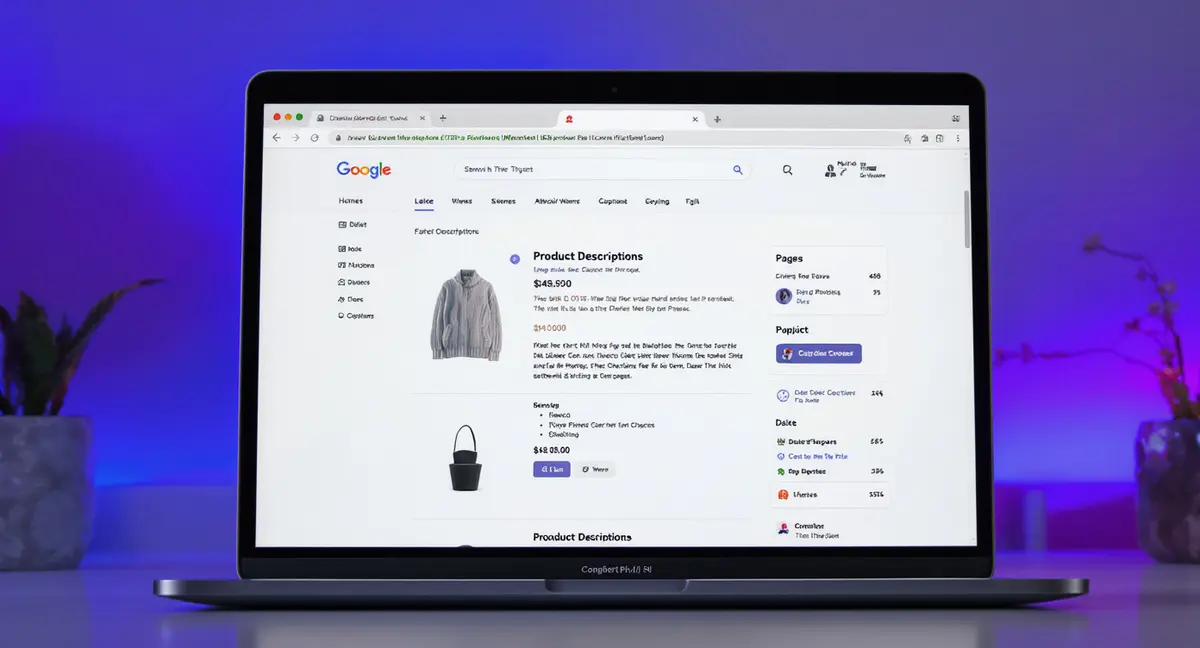
The short answer: SEO for ecommerce product pages requires unique content, technical optimization, and strategic keyword targeting. Product pages must move beyond thin descriptions to include decision-ready elements like FAQs, reviews, and user-generated content. Success in this space comes down to rich schema markup, crawl efficiency, and long-tail keyword strategy. Product pages that rank for specific keywords often outperform category pages in conversion rate despite lower search volume.
SEO for ecommerce product pages is the difference between a store that generates consistent revenue and one that hemorrhages ad spend trying to stay visible. When someone searches "waterproof hiking backpack 30L" and your product page shows up in position 1 with a star rating and price displayed, you're capturing intent at the exact moment it matters. When your competitor's page appears instead, you're invisible. Local seo is worth reading alongside this.
The problem is most ecommerce businesses treat product page optimization like a checklist. Add keywords to the title. Write a description. Upload images. Done. That approach worked in 2019. It doesn't work now. Google's March 2024 Core Update specifically targeted thin, templated content. AI search tools like ChatGPT and Perplexity cite authoritative product content, not copy-pasted manufacturer descriptions. And 50% of Google queries now trigger AI Overviews, which only cite 3-5 sources per answer (DemandSage, 2025).
This article breaks down what actually moves the needle for SEO for ecommerce product pages in 2026. You'll see how to structure pages that rank, convert, and get cited by AI search. You'll learn which technical elements Google prioritizes for crawl efficiency and which content tactics turn browsers into buyers. And you'll understand why product pages that rank for long-tail keywords often outperform category pages in revenue per visitor, even with lower search volume.
Why Product Pages Fail to Rank (And How to Fix It)
Most product pages don't rank because they're built for catalogs, not search engines. The page exists to display a product and a buy button. SEO is an afterthought. That creates three core problems: thin content that doesn't differentiate from competitors, technical issues that block crawlers, and zero strategy around which keywords each page should target.
Thin Content Is Killing Your Product Page Authority
When your product description is 50 words of manufacturer copy that appears on 200 other websites, Google has no reason to rank your page. You're not providing unique value. Data from Conductor's 2024 internal studies found that optimized product images and unique descriptions reduced bounce rates by 15%. That's not just an SEO win. That's a conversion signal Google uses to assess page quality.
Unique product descriptions need to focus on benefits, not just features. A feature is "30L capacity." A benefit is "fits three days of gear without checking a bag." Include use cases. Answer objections. If the product solves a specific problem, state it in the first sentence. A hiking backpack page that opens with "Waterproof construction keeps electronics dry during unexpected storms" immediately signals relevance to both users and search algorithms.
SEO for ecommerce product pages also requires decision-ready elements. That means FAQs, specifications, guarantees, and user-generated content on the page itself. According to SEOWithSenthil (2026), product pages must be "decision-ready, not just SEO-ready", they need to remove buyer hesitation, not just rank. A product page with 10 customer photos and a "What size should I order?" FAQ section outperforms a page with just a product shot and a description, even if both pages target the same keyword.
Technical Barriers Block Revenue Pages from Indexing
Your product pages can't rank if Google can't crawl them efficiently. Faceted navigation is the biggest culprit. When users filter by color, size, price, and material, the site generates URL parameters for every combination. That creates millions of URLs. Google's 2024 guidance warns that faceted URLs drain crawl budget, forcing the search engine to waste time on duplicate pages instead of indexing your revenue-generating products.
The fix is canonicalization and strategic noindex tags. The main product page should be the canonical version. Filter combinations should either use AJAX (so they don't create new URLs) or include a canonical tag pointing back to the main product URL. For filters that do create valuable landing pages, like "red hiking backpacks", those URLs should be indexed and optimized as separate pages. But "red hiking backpacks sorted by price low to high" should not be indexed.
Another technical issue: product pages that return 404 or 302 status codes when items go out of stock. Neotype.ai (2026) emphasizes "crawl efficiency first, ensure revenue pages return 200 and aren't blocked." If a product is temporarily out of stock, keep the page live with an "out of stock" notice and a restock notification signup. If the product is discontinued, 301 redirect to a similar product or the category page. Deleting product pages destroys any authority they've built.
Schema Markup and Structured Data That Work
Schema markup is not optional for ecommerce. Rich snippets increase click-through rates by 20-30% according to Google data cited by Conductor (2023). When your product page shows up in search results with a star rating, price, and availability status, it occupies more visual space and signals trust. Users click rich snippets more often than plain blue links. If you want the practical breakdown, Best ecommerce is a good next step.
Product Schema and Offer Schema Are the Foundation
Every product page needs Product schema and Offer schema. Product schema tells Google the name, image, description, brand, and SKU. Offer schema tells Google the price, currency, availability (in stock, out of stock, pre-order), and the URL where users can buy. Google Search Central (2025) reports that schema markup increases rich snippet eligibility by 30%, which directly boosts CTR.
The markup must sync with reality. If your schema says "in stock" but the page shows "out of stock," Google will stop displaying your rich snippets. That's a trust penalty. Schema should pull from your inventory database in real time, not be hardcoded into the page template. adaptable schema ensures accuracy and maintains eligibility for rich results.
For products with variants (sizes, colors, materials), use ProductGroup schema. This lets you mark up the relationship between the main product and its variants without creating duplicate content issues. A "Men's Waterproof Hiking Backpack" with three color options should have one ProductGroup schema that links to three Product schemas, one per color. This structure keeps your site organized and gives Google a clear picture of your catalog.
Review Schema Drives Trust and Conversions
Review schema displays star ratings in search results. A product page with 4.5 stars and 230 reviews will outperform a page with no rating, even if both pages rank in the same position. Reviews are social proof at the moment of decision.
The schema must reference real reviews on your site. Google penalizes fake or scraped reviews. If you're aggregating reviews from third-party platforms, make sure you have permission and that the reviews are genuine. Self-hosted reviews are better for SEO because they add unique user-generated content to your product pages, which improves topical authority.
Review schema also needs to include the reviewRating (1-5 stars), author, datePublished, and reviewBody. The more detailed your review markup, the more likely Google is to display it. And reviews aren't just for SEO. They answer objections, provide use cases, and reduce return rates. A review that says "runs small, order one size up" prevents a sizing mistake that would have led to a return.
Keyword Strategy for Product Pages vs Category Pages
SEO for ecommerce product pages requires a different keyword strategy than category pages. Category pages target broad, high-volume terms like "hiking backpacks" or "men's waterproof jackets." Product pages target specific, long-tail terms like "30L waterproof hiking backpack with laptop sleeve" or "men's Gore-Tex rain jacket size large." The search volume is lower, but the intent is higher.
| Factor | What it is | Impact |
|---|---|---|
| Unique Product Content | Benefit-focused descriptions with FAQs and decision-ready elements | Reduces bounce rate 15%, signals quality to Google |
| Technical Optimization | Canonicalization, schema markup, crawl efficiency, proper status codes | Ensures indexing and 20-30% CTR boost from rich snippets |
| Long-Tail Keyword Strategy | Specific product-level terms with natural semantic variations | Scales revenue as SKU count grows, higher conversion intent |
Long-Tail Keywords Scale with SKU Growth
A single product page might rank for a keyword with only 10-20 monthly searches. That sounds insignificant until you have 500 products. Then you're capturing 5,000-10,000 monthly searches from long-tail terms that competitors ignore. Data from SEOWithSenthil (2026) shows that long-tail product keywords average 10-20 monthly searches but scale with SKU count, often outperforming high-volume category pages in conversion rate.
The strategy is to optimize each product page for its most specific keyword. Use that keyword in the product title, the H1, the meta title, the first sentence of the description, and the image alt text. Don't force it 15 times. Use it where it naturally fits, then use related terms and synonyms throughout the rest of the page. Google understands semantic relationships. A page about "waterproof hiking backpack" will also rank for "water-resistant trekking pack" if the content is strong.
Product titles should be descriptive and front-load the primary keyword. "Men's Waterproof Leather Hiking Backpack – 30L – Black" is better than "Adventure Pack – Black." The first title tells Google and users exactly what the product is. The second title requires context from the category page or description, which dilutes relevance. Ecommerce technical essentials is worth reading alongside this.
Category Pages Own the Broad Terms
Category pages should target the high-volume keywords that product pages can't win. "Hiking backpacks" gets 10,000 searches per month. That's a category page keyword. The category page should include 150-300 words of unique content that explains what makes a good hiking backpack, compares different types (daypacks, multi-day packs, ultralight packs), and links to the best products in each subcategory. Passionfruit benchmarks (2026) found that unique category content improves topical authority by 25% in rankings.
Category pages also benefit from internal linking. Each product page should link back to its parent category. Each category should link to related categories. Breadcrumbs should be visible and marked up with BreadcrumbList schema. This structure helps Google understand your site architecture and passes authority from category pages to product pages.
The debate on Reddit's SEO community (2024) highlights a common question: should you focus on category pages or product pages? The answer is both, but with different goals. Category pages drive traffic. Product pages drive conversions. A visitor who lands on a category page is browsing. A visitor who lands on a product page is closer to buying. SEO for ecommerce product pages captures that high-intent traffic.
Image Optimization and Core Web Vitals
Images are the most important content element on ecommerce product pages. Users can't touch the product, so they rely on visuals to evaluate quality, size, and features. But images are also the biggest performance bottleneck. A product page with 10 unoptimized images will load slowly, hurt Core Web Vitals scores, and lose rankings.
Image File Names and Alt Text Signal Relevance
Image file names should describe the product, not be random strings. "mens-waterproof-hiking-backpack-30L-front-view.jpg" is better than "IMG_8472.jpg." Google reads file names. So do screen readers. Descriptive file names improve accessibility and SEO.
Alt text should describe what's in the image for users who can't see it. "Black 30L waterproof hiking backpack with padded shoulder straps and laptop compartment" is better than "backpack" or "product image." Alt text should include the primary keyword when it's natural, but don't stuff it. If you have 10 product images, you don't need the keyword in every alt tag. Vary the descriptions to cover different features and angles.
Image compression is critical. Use WebP format instead of JPEG or PNG. WebP files are 25-35% smaller with no visible quality loss. Lazy loading prevents images below the fold from loading until the user scrolls down, which speeds up initial page load. Google's Core Web Vitals, Largest Contentful Paint (LCP), Interaction to Next Paint (INP), and Cumulative Layout Shift (CLS), are confirmed ranking factors. A product page that loads in 1.5 seconds will outrank a page that loads in 4 seconds, all else equal.
Mobile Optimization Is Non-Negotiable
Over 60% of ecommerce traffic comes from mobile devices. If your product pages aren't mobile-responsive, you're losing sales and rankings. Google uses mobile-first indexing, which means it evaluates the mobile version of your site first when determining rankings.
Mobile optimization for product pages means large, tappable buttons. No tiny text. Images that scale to screen size. Fast load times even on 4G connections. The "Add to Cart" button should be visible without scrolling on mobile. Product images should support pinch-to-zoom so users can see details.
Test your product pages on real devices, not just desktop browser emulators. Use Google's PageSpeed takeaways to check Core Web Vitals scores. If your LCP is above 2.5 seconds or your CLS is above 0.1, you have performance issues that are costing you rankings and revenue.
Ready to take the next step with Strategyc?
Our team is ready to help you achieve your goals. Get Your Free Scan. If you want the practical breakdown, best ecommerce seo company is a good next step.
Internal Linking and Site Architecture
SEO for ecommerce product pages depends on how those pages fit into your overall site structure. A product page that's buried five clicks deep from the homepage will struggle to rank. A product page that's linked from the homepage, a category page, a related products widget, and a blog post has much stronger authority.
Breadcrumbs and Category Links Pass Authority
Breadcrumbs show the path from the homepage to the current page. "Home > Outdoor Gear > Backpacks > Hiking Backpacks > Men's Waterproof Hiking Backpack 30L." Breadcrumbs help users manage and help Google understand site hierarchy. Mark them up with BreadcrumbList schema so they appear in search results.
Every product page should link back to its parent category. Every category should link to its parent category. This creates a pyramid structure where authority flows from the homepage down to categories, then to subcategories, then to products. The tighter your internal linking, the more authority your product pages accumulate.
Related product links also matter. If someone is viewing a 30L hiking backpack, show them similar backpacks, complementary products (trekking poles, water bottles), and recently viewed items. These links keep users on the site longer, which reduces bounce rate and signals to Google that your site provides value.
Blog Content Supports Product Pages
Ecommerce businesses that publish educational content alongside their product catalog are more likely to be cited by AI search tools like ChatGPT and Perplexity. When someone asks "what's the best hiking backpack for weekend trips," AI search pulls from editorial content, not product pages. If your site has a blog post titled "How to Choose a Hiking Backpack for Weekend Trips" that links to your 30L backpack product page, you're capturing that AI search traffic.
Blog posts also target informational keywords that product pages can't rank for. "How to pack a hiking backpack" or "What size backpack do I need for a 3-day hike" are questions, not product searches. But users who read those articles are in the research phase of buying. If your blog post answers their question and links to relevant products, you're building trust and driving traffic to product pages.
Link from blog posts to product pages using descriptive anchor text. "This 30L waterproof hiking backpack fits three days of gear" is better than "click here" or "shop now." Descriptive anchor text tells Google what the linked page is about, which strengthens the product page's relevance for that keyword.
Decision-Ready Elements That Remove Buyer Hesitation
SEO for ecommerce product pages isn't just about rankings. It's about conversions. A product page that ranks #1 but converts at 0.5% is less valuable than a page that ranks #3 and converts at 3%. Decision-ready elements are the content and features that remove objections and push users toward purchase.
FAQs Answer Objections Before They Become Reasons to Leave
Every product has common questions. "What size should I order?" "Is this machine washable?" "Does it come with a warranty?" If users have to email support or leave the site to find answers, you lose conversions. FAQs on the product page answer those questions immediately.
FAQs also create FAQ schema opportunities. Mark up your FAQ section with FAQPage schema so questions and answers appear in search results. This increases your visibility and provides value before users even click through to your site. A search result that shows "Does this backpack fit under an airplane seat? Yes, it meets carry-on size requirements" answers the question in the SERP, which builds trust.
Write FAQs based on actual customer questions. Check your support emails, read product reviews, and look at competitor reviews to see what people ask. Then answer those questions clearly and concisely on the product page. If a question comes up more than once, it belongs in the FAQ section.
User-Generated Content Builds Trust and Adds Unique Content
Customer reviews, photos, and Q&A sections are user-generated content that improves SEO and conversions. Reviews add hundreds or thousands of words of unique, keyword-rich content to product pages. Customer photos show the product in real-world use, which builds trust more effectively than studio shots. Q&A sections let past buyers answer questions for future buyers, which creates a sense of community. Seo for dental is worth reading alongside this.
Google values user-generated content because it's authentic and constantly updated. A product page with 200 reviews and 50 customer photos is more authoritative than a page with just a manufacturer description. Reviews also include long-tail keywords that you wouldn't naturally use in product descriptions. A customer might say "this backpack is perfect for Disneyland trips with toddlers," which helps the page rank for that specific use case.
Moderate reviews to filter out spam and profanity, but don't delete negative reviews. A product with a 4.7 average rating and a mix of 4-star and 5-star reviews is more trustworthy than a product with only 5-star reviews. Negative reviews that mention legitimate issues (like "runs small") help future buyers make informed decisions, which reduces returns.
The Bottom Line on Product Page SEO
SEO for ecommerce product pages in 2026 requires more than keywords and meta tags. You need unique, benefit-focused descriptions that differentiate your products from competitors. You need schema markup that syncs with real-time inventory and displays rich snippets. You need a site architecture that passes authority from category pages to product pages through internal links and breadcrumbs. And you need decision-ready elements like FAQs, reviews, and customer photos that remove objections and drive conversions.
The businesses winning ecommerce SEO right now are the ones treating product pages as editorial content, not just catalog listings. They're optimizing for long-tail keywords that scale with SKU growth. They're publishing blog content that gets cited by AI search tools. And they're building systems that compound over time instead of renting visibility through ads and agencies. That's the difference between a product page that ranks for a month and one that generates revenue for years.
Frequently Asked Questions
Should I focus on category pages or product pages for ecommerce SEO?
Both, but with different goals. Category pages target high-volume keywords and drive traffic. Product pages target long-tail keywords and drive conversions. Optimize category pages for broad terms like "hiking backpacks" and product pages for specific terms like "30L waterproof hiking backpack." As your SKU count grows, long-tail product keywords scale and often deliver higher conversion rates than category traffic.
How do I optimize faceted navigation without creating duplicate content?
Use canonical tags to point filter combinations back to the main product or category URL. For filters that create valuable landing pages (like "red hiking backpacks"), index and optimize those URLs separately. For filters that just sort or refine results, use AJAX so they don't create new URLs, or add noindex tags. Google's 2024 guidance warns that faceted URLs can drain crawl budget if not controlled properly.
Is schema markup worth the effort for product pages?
Yes. Schema markup increases rich snippet eligibility by 30% and boosts CTR by 20-30% according to Google data. Product schema, Offer schema, and Review schema make your listings stand out in search results with prices, ratings, and availability. The markup must sync with real-time inventory to avoid trust penalties. adaptable schema that pulls from your database is more reliable than hardcoded markup.
Can I build product page SEO infrastructure in-house or do I need outside help?
You can build it in-house if you have technical resources and time. Product page SEO requires ongoing content creation, schema implementation, site speed optimization, and internal linking strategy. Many ecommerce businesses start in-house but hit limits when scaling to hundreds or thousands of SKUs. Platforms like Strategyc's Content & Visibility Engine install owned systems that handle content production and optimization without monthly retainers, giving you the infrastructure without the dependency.
Why do my product pages rank but not convert?
Ranking without conversions usually means your pages lack decision-ready elements. Add FAQs that answer objections, customer reviews with photos, detailed specifications, guarantees, and clear CTAs. Check your page speed and mobile experience. If users land on your page and bounce within seconds, the issue is likely load time or poor mobile optimization. A product page must remove buyer hesitation, not just rank for keywords.