Restaurant Marketing Solution: 7 Systems That Drive Repeat Customers in 2026
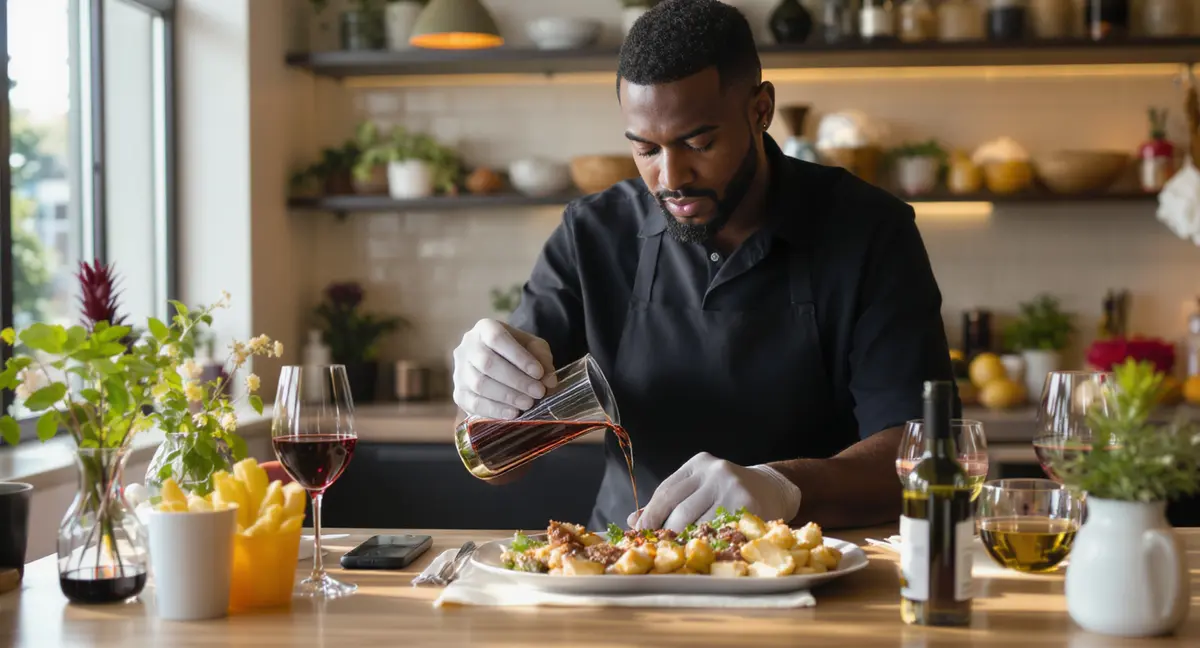
The short answer: A restaurant marketing solution unifies guest data, owned ordering systems, and automated campaigns into a single platform that builds customer equity instead of renting visibility. The best solutions combine owned online ordering, local SEO, email and SMS automation, review management, and loyalty programs tied to your POS. Email marketing returns $42 for every $1 spent in the restaurant industry.
Most restaurants throw money at Instagram ads, email blasts, and third-party delivery apps hoping something sticks. A real restaurant marketing solution doesn't scatter effort across disconnected tactics, it connects every customer touchpoint into a system that owns your guest data, reduces platform dependency, and compounds results over time. The difference between renting visibility and owning it determines whether you're building equity or just paying rent on someone else's audience. If your restaurant isn't appearing when AI tools answer dining queries, AI search optimization requires the same structured data and authoritative content approach that makes traditional SEO work.
The stakes are higher in 2026 than ever. Restaurants lose 15–30% of revenue to delivery app commissions (Restaurant365, 2024), while 81% of diners check online reviews before visiting (Podium, 2023). AI search tools like ChatGPT and Google AI Overviews now answer "where should I eat tonight" by citing 3-5 restaurants maximum, if your business isn't in that group, your competitor is. This article breaks down what a complete restaurant marketing solution looks like, which channels drive measurable ROI, and how to stop renting your customer relationships from platforms that own the data.
Why Most Restaurant Marketing Fails to Build Equity
The average restaurant spends $1,200–$3,500 per month on marketing across social ads, email platforms, review management tools, and delivery commissions. When the spending stops, so do the results. That's not a marketing solution, that's a subscription to temporary visibility. A restaurant marketing solution should create assets you own: an email list that grows every month, content that ranks in search for years, a Google Business Profile that answers voice queries, and guest data that lives in your system, not DoorDash's.
The Platform Dependency Problem
Third-party delivery platforms control the customer relationship from order to delivery. You pay 25–30% commission, but the platform owns the guest's email, order history, and preferences. When a customer reorders, they open the app, not your website. Owner.com reports restaurants lose over $100,000 annually to delivery fees, but the deeper cost is customer data you never capture. A proper restaurant marketing solution shifts orders to channels you control: your own online ordering system, a mobile app, or direct phone orders incentivized through email campaigns.
Social media platforms operate the same way. You build an audience on Instagram, but Meta controls the algorithm, the reach, and the ad costs. Organic reach for business pages averages 2-5% of followers (Hootsuite Social Media Trends, 2024). You're renting an audience, not owning one. Email lists, SMS subscribers, and website visitors are assets. Followers are borrowed attention.
Why Disconnected Tools Create Data Silos
Most restaurants use separate platforms for reservations, email marketing, loyalty programs, and online ordering. Guest data sits in five different systems that don't talk to each other. You can't segment email campaigns by order frequency because your email tool doesn't connect to your POS. You can't trigger SMS offers to lapsed customers because your loyalty app doesn't integrate with your CRM. A restaurant marketing solution unifies guest data so every interaction builds a complete profile: what they order, how often they visit, which promotions they respond to, and when they're likely to churn.
Data from McKinsey (2023) shows personalized offers boost repeat visits by 20%, but personalization requires unified data. If your email platform doesn't know a guest ordered takeout three times last month, you can't send a "thanks for being a regular" discount. You're guessing instead of optimizing.
Core Components of a Complete Restaurant Marketing Solution
A functioning restaurant marketing solution has six core systems working together: owned online ordering, local search optimization, email and SMS automation, review and reputation management, content that ranks in AI search, and loyalty programs tied to your POS. Each system should feed data into the others. When a guest places an online order, they're added to your email list, tagged by order type, and eligible for automated follow-ups. When someone leaves a five-star review, they receive a loyalty reward. When a customer hasn't ordered in 45 days, they get a win-back SMS.
| Factor | What It Is | Impact |
|---|---|---|
| Owned Online Ordering | Commission-free ordering system that captures 100% of revenue and customer data | Eliminates 25–30% platform fees; builds direct relationships |
| Unified Guest Data | Single system connecting POS, email, loyalty, and ordering platforms | Enables personalized campaigns; prevents data silos across tools |
| Behavior-Triggered Automation | Email and SMS campaigns triggered by order frequency, type, and timing | Outperforms batch-and-blast by 5–10x; increases repeat visits by 20% |
| Local SEO and AI Search | Active Google Business Profile, schema markup, and content authority | Drives 92% of restaurant discovery; appears in AI dining recommendations |
| Loyalty Program Integration | Points or tiered VIP rewards tied to POS and email platform | 70% of consumers prefer brands with loyalty; compounds repeat visits |
Owned Online Ordering Systems
Commission-free online ordering is the foundation. Platforms like Owner.com and ChowNow let restaurants capture orders directly, keeping 100% of the revenue and 100% of the customer data. Owner.com users report 30% increases in order volume after switching from third-party apps, because the restaurant controls pricing, promotions, and upsells. Your website becomes the ordering hub, not a brochure that redirects to DoorDash. Choosing the right restaurant marketing software means evaluating whether each platform feeds data into your central system or creates another disconnected silo.
Integration with your POS is non-negotiable. Orders should flow directly into your kitchen display system without manual entry. Guest profiles should update automatically: order history, preferences, dietary restrictions. This data powers every other marketing channel. A guest who orders gluten-free pizza every Friday should receive Friday lunch specials for gluten-free options, not generic "20% off everything" blasts.
Local SEO and AI Search Optimization
Local search drives 92% of restaurant discovery (Google, 2024), but most restaurants treat their Google Business Profile like a static listing. High-performing profiles update weekly: new photos, menu changes, Q&A responses, posts about events or specials. Google prioritizes active profiles in local pack results, the map listings that appear above organic search results. A restaurant marketing solution includes a process for weekly GBP updates, review responses within 24 hours, and schema markup on your website so Google understands your menu, hours, and reservation options.
AI search changes the game in 2026. When someone asks Siri "best brunch spots near me" or asks ChatGPT "where should I take clients for dinner in downtown," the AI pulls from review aggregators, editorial content, and structured data on restaurant websites. Restaurants with rich content, stories about signature dishes, chef profiles, ingredient sourcing, neighbourhood guides, are more likely to be cited. AI models prioritize authoritative, detailed content over thin pages that just list a menu and phone number.
High-ROI Channels Most Restaurants Underuse
Email marketing returns $42 for every $1 spent in the restaurant industry (National Restaurant Association, 2023), yet most restaurants send generic monthly newsletters instead of behavior-triggered campaigns. SMS marketing converts at 3–5x higher rates than email for time-sensitive offers, but restaurants hesitate because they fear annoying customers. The channel isn't the problem, the strategy is. A restaurant marketing solution uses email for storytelling and relationship-building, SMS for urgent offers and confirmations, and both channels segment by guest behavior, not one-size-fits-all blasts.
Email Automation That Matches Guest Behavior
Behavior-triggered emails outperform batch-and-blast by 5–10x. A welcome series for first-time online orders should include: order confirmation, a thank-you with a story about the restaurant, a second-visit incentive, and an invitation to join the loyalty program. A win-back series for lapsed guests should trigger at 30, 60, and 90 days: "We miss you" with a limited-time offer. A VIP series for frequent guests should include early access to new menu items, invitations to tasting events, and birthday rewards.
Most restaurants use basic email tools but never set up automations. They send a monthly newsletter to everyone, regardless of order frequency or preferences. A proper restaurant marketing solution segments by: order frequency (weekly, monthly, lapsed), order type (dine-in, takeout, delivery), average check size, and menu preferences. A guest who orders vegan dishes shouldn't receive promotions for steakhouse specials.
SMS for Time-Sensitive Offers and Confirmations
SMS open rates average 98% within three minutes (SimpleTexting, 2024), compared to 20–25% for email. Use SMS for: reservation confirmations, "your table is ready" alerts, same-day specials ("20% off takeout tonight only, order by 6pm"), and flash promotions during slow periods. Avoid overuse, one to two messages per week maximum, or customers opt out. Combine SMS with email: send the full story and details via email, then a short SMS reminder two hours before the offer expires.
Compliance matters. Require double opt-in for SMS lists, include opt-out instructions in every message, and never buy SMS lists. Platforms like Klaviyo and Postscript handle compliance automatically and integrate with POS systems to trigger messages based on order data. A restaurant marketing solution treats SMS as the high-urgency channel, not the primary communication method. The most effective marketing tactics for restaurants in 2026 prioritize owned channels over rented audiences, turning every guest interaction into a data point that compounds over time.
Loyalty Programs That Drive Repeat Visits, Not Just Discounts
Seventy percent of consumers prefer brands with loyalty programs (Bond Brand Loyalty, 2024), but most restaurant loyalty programs are just digital punch cards: buy nine, get one free. That's a discount program, not a loyalty system. A real loyalty program captures guest data, rewards behaviors beyond purchases (reviews, referrals, social shares), and tiers benefits so top customers feel valued. A restaurant marketing solution integrates loyalty with your POS, email platform, and online ordering so points, rewards, and VIP status update in real time across every channel.
Points-Based Systems vs. Tiered VIP Programs
Points-based systems work for high-frequency businesses: coffee shops, fast-casual, quick-service. Earn one point per dollar, redeem at 100 points for $10 off. Simple, transparent, easy to communicate. Tiered VIP programs work better for full-service restaurants where visit frequency is lower but check sizes are higher. Bronze, Silver, Gold tiers based on annual spend. Gold members get priority reservations, exclusive menu previews, and invitations to chef's table events. The goal is status and recognition, not just discounts.
Integration is the difference between a loyalty program and a loyalty system. When a guest earns Gold status, your email platform should trigger a congratulations message with their new benefits. Your reservation system should flag them for preferred seating. Your POS should apply their discount automatically. If these systems don't talk to each other, staff forget to apply benefits, customers feel unrecognized, and the program fails.
Rewarding Behaviors Beyond Purchases
Most loyalty programs reward spending only. Expand to reward: writing a review (50 bonus points), referring a friend (100 points when they order), sharing a post on social media (25 points), completing a profile with preferences and dietary restrictions (50 points). These behaviors generate marketing assets, reviews, referrals, content, that compound over time. A restaurant marketing solution treats loyalty as a data collection and engagement engine, not just a discount mechanism.
Gamification increases engagement. Monthly challenges: "Order from three different menu categories this month, earn 200 bonus points." Seasonal promotions: "Try our new fall menu, earn double points on featured dishes." Leaderboards for top spenders with public recognition and exclusive rewards. The psychology is simple, people engage more when there's a clear goal and visible progress.
Ready to take the next step with Strategyc?
Our team is ready to help you achieve your goals. Get Your Free Scan.
Building Owned Visibility Infrastructure That Compounds
Paid ads stop working the moment you stop paying. Content, local SEO, and owned channels compound. A blog post about "best date night restaurants in your neighborhood" that ranks on Google drives traffic for years. A YouTube video showing how your chef prepares a signature dish gets discovered in search long after you publish it. A well-optimized Google Business Profile answers voice queries every day without ongoing ad spend. A restaurant marketing solution prioritizes owned assets that appreciate over time, using paid ads to amplify what already works, not as the primary growth engine.
Content That Ranks in Google and AI Search
Most restaurant websites are five pages: Home, Menu, About, Contact, Reservations. That's not enough content to rank for discovery queries like "romantic restaurants downtown," "best pasta in your area," or "where to eat with kids in your neighborhood." Add a blog or resources section with: neighborhood dining guides, stories behind signature dishes, chef interviews, seasonal ingredient spotlights, event recaps with photos, and answers to common questions ("Do you have vegan options?" "Is there parking nearby?"). Service businesses face similar platform dependency issues, which is why electrician marketing strategies increasingly focus on owned lead generation systems instead of paying per click indefinitely.
AI search in 2026 prioritizes detailed, structured content. When someone asks ChatGPT "best Italian restaurants in Brooklyn with outdoor seating," the AI pulls from restaurant websites with rich descriptions, not just Yelp listings. Schema markup helps: use Restaurant schema to mark up your menu, hours, price range, and cuisine type. Use Review schema to display star ratings in search results. Use Event schema for special dinners or tastings. These structured data signals help AI models understand and cite your content.
Platforms like Strategyc take this approach by installing owned content systems rather than offering monthly retainers. The system produces optimized content that ranks in both traditional search and AI-generated results, so visibility compounds over time instead of stopping when the retainer ends.
Review Management as a Ranking and Trust Signal
Online reviews influence 81% of dining decisions (Podium, 2023), and review velocity, how many new reviews you get per month, is a ranking factor in Google's local algorithm. A restaurant with 50 reviews from the past year ranks higher than one with 200 reviews from three years ago. A restaurant marketing solution includes a process to request reviews after every positive interaction: in the order confirmation email, via SMS 24 hours after dining, on the receipt, and through staff training to ask in person.
Responding to reviews, positive and negative, signals to Google that the business is active and engaged. Respond to every review within 48 hours. Thank positive reviewers by name and mention specific details from their review. Address negative reviews with empathy, accountability, and an invitation to resolve offline. Never argue or make excuses. The response is as much for future readers as it is for the reviewer. Potential customers read your responses to judge how you handle problems.
Measuring What Drives Revenue
Most restaurants track vanity metrics: social media followers, email open rates, website traffic. Those numbers don't pay the bills. A restaurant marketing solution measures: new customer acquisition cost, repeat visit rate, average order value by channel, customer lifetime value, and attribution from first touch to purchase. If you spend $500 on Instagram ads and generate 20 new customers who each spend $50 on their first visit, your CAC is $25. If half of them never return, your LTV is $50 and you're losing money. If 80% become regulars who visit monthly, your LTV is $600+ and the ads are profitable.
Attribution from Marketing Channel to Order
Track how customers found you: Google search, Instagram ad, email campaign, referral, walk-in. Use UTM parameters on all digital links so your analytics platform attributes orders correctly. Ask new customers "How did you hear about us?" at checkout or in the first email. Integrate your POS with your CRM so every order ties back to a marketing source. This data tells you which channels drive high-value customers and which drive one-time deal-seekers.
Most restaurants assume Instagram drives business because they get likes and comments, but when they track attribution, they discover Google search and email drive 70% of orders. Likes don't convert to revenue. A restaurant marketing solution prioritizes channels based on revenue attribution, not engagement metrics. The same principles that make roofing marketing successful, owning customer data, building compounding visibility, and reducing platform dependency, apply across every local service industry including hospitality.
Retention Metrics That Predict Long-Term Profitability
Customer lifetime value (LTV) is the most important metric in restaurant marketing. A customer who visits once and spends $40 has an LTV of $40. A customer who visits monthly for two years and spends $50 per visit has an LTV of $1,200. Acquisition cost is the same for both, but profitability is 30x different. Track: repeat visit rate (percentage of customers who order a second time), average days between visits, churn rate (percentage who haven't ordered in 90+ days), and reactivation rate (percentage of lapsed customers who return after a win-back campaign).
Improving retention by 5% increases profits by 25–95% (Bain & Company, 2023). A restaurant marketing solution focuses as much energy on retention as acquisition. Email automation, loyalty programs, and personalized offers are retention tools. Paid ads and promotions are acquisition tools. Balance both, but prioritize retention once you've acquired a customer.
The Bottom Line
A restaurant marketing solution isn't a collection of disconnected tools, it's an integrated system where every customer interaction builds data, every channel feeds the others, and results compound over time. The restaurants winning in 2026 own their customer data, control their ordering channels, rank in AI search results, and treat marketing as infrastructure, not a monthly expense. If your current approach stops working the moment you stop paying, you're renting visibility, not owning it.
The shift from rented to owned takes time, but it's the only path to sustainable growth. Start with the highest-use moves: launch commission-free online ordering, optimize your Google Business Profile, set up behavior-triggered email automations, and create content that answers the questions your customers are already asking AI search tools. Build systems that appreciate, not subscriptions that expire.
Frequently Asked Questions
What's the difference between a restaurant marketing solution and hiring an agency?
An agency provides ongoing services you pay for monthly, when you stop paying, the work stops. A restaurant marketing solution installs systems you own: email automations, content, local SEO infrastructure, and integrated tools that keep working after the initial setup. Agencies create dependency; solutions create equity.
How do I measure ROI from organic content and local SEO?
Track new customer acquisition by source using UTM parameters and "How did you hear about us?" surveys. Measure organic search traffic in Google Analytics and correlate it with order volume. Calculate customer lifetime value by channel, organic search typically drives higher LTV than paid ads because intent is stronger.
Can I build a restaurant marketing solution in-house or do I need outside help?
You can build in-house if you have time and technical skill to integrate tools, write optimized content, and manage automations. Most restaurant owners lack bandwidth, so they either hire an agency (ongoing cost) or install a system once (upfront investment, long-term ownership). Choose based on your capacity and growth timeline.
Which marketing channels deliver the fastest ROI for restaurants?
Google Business Profile optimization and email marketing to existing customers deliver the fastest ROI, both are low-cost and high-impact. GBP updates improve local search visibility within weeks. Email campaigns to your current list drive repeat orders immediately. Paid ads and content marketing take longer but compound over time.
How do I reduce third-party delivery fees without losing orders?
Launch your own online ordering system and promote it aggressively via email, SMS, social media, and in-store signage. Offer a 10–15% discount for direct orders to offset the convenience of third-party apps. Gradually shift your audience to owned channels by highlighting faster service, better pricing, and loyalty rewards available only on direct orders.
```