7 Digital Restaurant Marketing Strategies That Boost Revenue in 2026
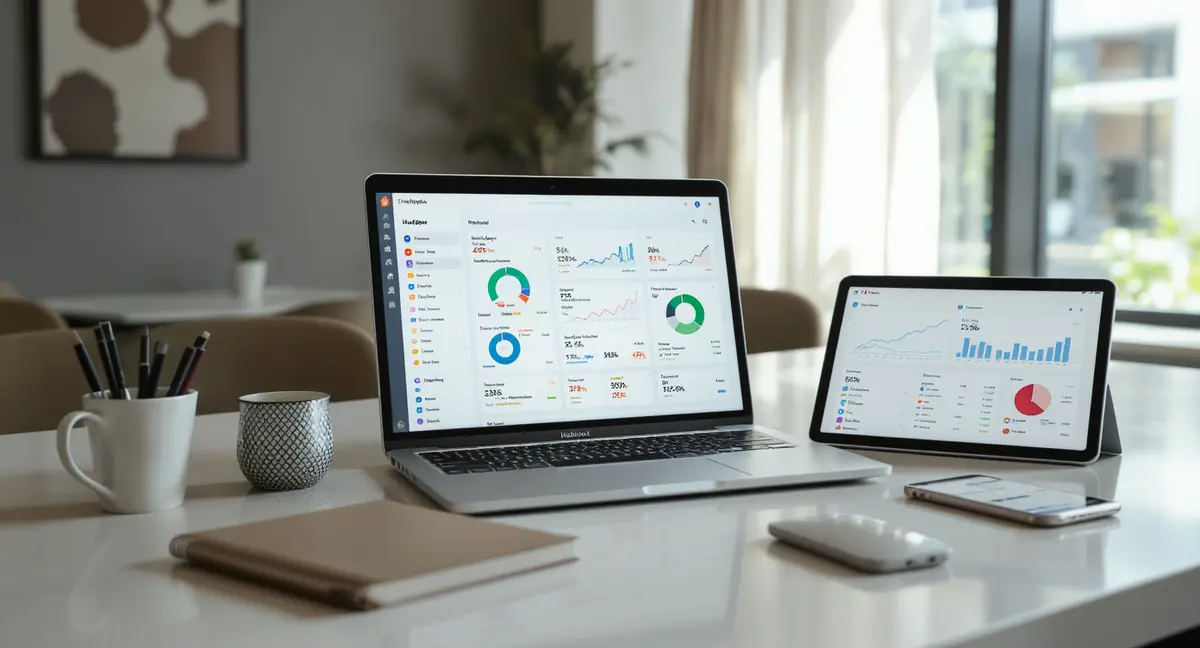
The short answer: Digital restaurant marketing connects customers across online ordering, Google profiles, email, and paid ads. Top digital strategies generate $36 per dollar in email ROI, 7x more clicks from complete Google Business Profiles, and 28% higher engagement from user-generated content. Success in this space comes down to Google Business Profile optimization, social media strategy, and email marketing. Toast's 2024 Restaurant Success Report found that restaurants using targeted digital ads reduced their customer acquisition cost by 41% compared to traditional advertising.
Digital restaurant marketing isn't just about posting food photos on Instagram anymore. The restaurants that survived the last three years did so because they mastered online ordering systems, Google Business Profile optimization, email campaigns, and paid social ads. The ones thriving in 2025 treat their digital presence like a second location. We covered this in depth in our local seo piece.
Most restaurant owners still think digital marketing means "having a website." That's like saying you're in the food business because you own a stove. Real digital restaurant marketing connects every touchpoint where customers find you, order from you, and talk about you online.
This article breaks down eight proven strategies that independent restaurants and small chains use to fill tables and boost takeout orders. You'll see actual numbers from businesses that went from 200 monthly website visitors to 3,000, cut their customer acquisition cost by half, and turned one-time diners into regulars who order twice a month. No theory. Just what works right now.
Why Digital Restaurant Marketing Beats Traditional Advertising Every Time
A full-page ad in your local magazine costs $2,500 and reaches maybe 15,000 people. You can't track who saw it, who acted on it, or whether it brought in a single customer. That same $2,500 spent on Facebook ads targeting people within three miles who recently searched for "Italian food near me" will reach 40,000 people and tell you exactly how many clicked, called, or ordered.
Measurable ROI Changes Everything
Google Analytics shows you which marketing channels drive actual revenue. When Pizzeria Locale in Denver shifted 60% of their ad budget from print to digital in 2023, they tracked every dollar. Their Google Ads campaign generated $8.40 for every dollar spent, while their Instagram campaigns brought in $6.20 per dollar. Print ads? They had no way to measure, so they cut them entirely.
Restaurant owners can now see which promotional email drove 47 online orders on Tuesday night or which Instagram post sent 23 people to their reservation page. This data lets you double down on what works and kill what doesn't. Traditional advertising forces you to guess.
Targeting Precision Saves Money
Billboard advertising hits everyone driving past, including tourists passing through and people who hate your cuisine type. Digital platforms let you target 28-year-olds within two miles who follow food bloggers and have household incomes above $75,000. That precision means less waste.
Toast's 2024 Restaurant Success Report found that restaurants using targeted digital ads reduced their customer acquisition cost by 41% compared to those relying on traditional advertising. A taco shop in Austin spent $800 on geofenced mobile ads targeting college students near campus during lunch hours. They tracked 340 redemptions of a "show this ad for $2 off" promotion. That's $2.35 per new customer.
Google Business Profile Optimization for Digital Restaurant Marketing
Your Google Business Profile is the first thing 76% of smartphone users see when searching for a restaurant. If your profile shows blurry photos from 2019, wrong hours, and three unanswered reviews, you're losing customers to the place with 4.8 stars and mouth-watering images.
Complete Every Single Field
Restaurants with complete Google Business Profiles get 7x more clicks than incomplete ones, according to Google's internal data. That means filling out your menu, adding attributes like "outdoor seating" and "vegan options," uploading at least 20 high-quality photos, and posting updates weekly.
Flour Bakery in Boston updates their Google Business Profile every Monday with the week's specials. They include photos of new pastries, post about seasonal menu changes, and respond to every review within 24 hours. Their profile gets 12,000 views per month, and 18% of those viewers visit their website or call for reservations.
Reviews Drive Local Rankings
Google's algorithm weighs review quantity, quality, and recency when ranking local businesses. BrightLocal's 2024 survey found that 89% of consumers read business reviews before visiting a restaurant. A steakhouse in Nashville implemented a simple review request system: servers mention it during payment, and the receipt includes a QR code linking to their Google review page.
They went from 34 reviews to 287 in eight months. Their local search ranking jumped from position 8 to position 2 for "steakhouse Nashville," and foot traffic increased 23%. The key? Making it stupid easy for happy customers to leave reviews while their experience is fresh.
Social Media Strategy That Fills Tables
Posting pretty food photos won't cut it anymore. The restaurants winning on social media in 2025 treat each platform differently, post consistently, and use content that drives specific actions. Instagram for ambiance and dishes. Facebook for events and promotions. TikTok for personality and behind-the-scenes content.
Platform-Specific Content Performs Better
A sushi restaurant in Portland posts polished food photography on Instagram, shares longer-form cooking tutorials on Facebook, and creates 15-second "how we make your favorite roll" videos for TikTok. Their TikTok account grew to 47,000 followers in six months, and they track 12-15 new customers per week who mention "I saw you on TikTok."
The mistake most restaurants make? Posting identical content across all platforms. Instagram users want beautiful visuals. TikTok users want entertainment and authenticity. Facebook users respond to community engagement and event announcements. Tailor your content or watch your engagement tank.
User-Generated Content Builds Trust
Photos from real customers convert better than professional shots. When The Meatball Shop in New York started reposting customer photos to their Instagram Stories (with permission), their story views jumped 340%. They created a branded hashtag and encourage diners to tag them for a chance to be featured.
This strategy costs nothing and generates endless content. Plus, people trust recommendations from other diners more than they trust your marketing. Sprout Social's data shows that user-generated content receives 28% higher engagement than standard brand posts. A burger joint in Chicago built their entire Instagram strategy around customer photos and now gets 50-60 tagged posts per week.
Email Marketing That Drives Repeat Business
Email delivers a $36 return for every dollar spent, according to Litmus's 2024 State of Email report. That's better ROI than any other digital restaurant marketing channel. The catch? You need to build a quality list and send emails people actually want to open.
Want to see how your site stacks up?
Get a free visibility scan and find out where you stand. Book your free scan.
Build Your List the Right Way
Stop buying email lists. They're full of dead addresses and people who don't care about your restaurant. Instead, capture emails at every customer touchpoint. A Mediterranean restaurant in San Diego offers 10% off the next visit for email signups at checkout. They collect 40-50 new emails daily from in-store diners alone.
Add signup forms to your website, include them in your Google Business Profile posts, and promote them on social media. Make the value clear: "Join our VIP list for exclusive menu previews and birthday rewards." Within 18 months, that San Diego restaurant built a list of 8,700 subscribers. Their monthly email campaigns now generate $12,000-$15,000 in direct sales.
Segmentation Multiplies Results
Sending the same email to everyone is lazy and ineffective. Segment your list by behavior, preferences, and visit frequency. A pizza chain in Texas segments their list into four groups: weekly regulars, monthly visitors, lapsed customers (no visit in 90+ days), and catering prospects.
Each segment gets different content. Regulars receive early access to new menu items. Monthly visitors get "we miss you" discounts. Lapsed customers receive win-back offers like "Come back this week and get a free appetizer." This segmentation strategy increased their email open rates from 18% to 34% and boosted click-through rates by 127%.
Paid Advertising Channels That Deliver ROI
Organic reach on social platforms dropped to single digits for most business pages. If you want visibility, you need to pay for it. The good news? Paid advertising for restaurants is cheaper and more effective than ever when you target correctly and test relentlessly.
| Factor | What it is | Impact |
|---|---|---|
| Google Business Profile Optimization | Complete profile with photos, menu, attributes, weekly updates, and review management | 7x more clicks; 76% of users see this first |
| Social Media Strategy (Platform-Specific) | Tailored content per platform: Instagram visuals, TikTok entertainment, Facebook events | 28% higher engagement with user-generated content |
| Email Marketing & Segmentation | Targeted campaigns to list segments by visit frequency and behavior | $36 return per dollar; open rates increased 18% to 34% |
| Paid Advertising (Facebook & Google Ads) | Targeted local ads and high-intent search ads with constant testing | 41% lower customer acquisition cost vs. traditional ads |
Facebook and Instagram Ads for Local Reach
Meta's ad platform lets you target people within a specific radius of your restaurant who match your ideal customer profile. A breakfast cafe in Phoenix runs Facebook ads targeting people ages 25-54 within five miles who've shown interest in brunch, coffee culture, or weekend activities. Their ad spend of $600 per month generates 180-220 new customers with an average check of $32.
The key is testing different ad creative, audiences, and offers. They ran five different ad variations in their first month. The winner? A video showing their chef preparing avocado toast with a "Try it this weekend" call-to-action. That single ad drove 67% of their conversions. They killed the other four and scaled the winner.
Google Ads for High-Intent Searches
Someone searching "Italian restaurant open now near me" is ready to eat. They're not browsing. They're deciding. Google Ads puts you at the top of those searches. A family-owned Italian spot in Philadelphia spends $900 monthly on Google Ads targeting high-intent keywords like "best pasta near me" and "Italian restaurant reservations."
Their ads appear above organic results, and they track conversions through call tracking and website form submissions. Last quarter, their Google Ads generated 340 phone calls and 180 online reservations. With an average party size of 2.8 people and a check average of $65, that's roughly $33,000 in revenue from $2,700 in ad spend. Not every restaurant will see those numbers, but the ROI potential is real.
Website Optimization and Online Ordering Integration
Your website needs to load fast, look good on mobile, and make ordering dead simple. Google's data shows that 53% of mobile users abandon sites that take longer than three seconds to load. If your site is slow or confusing, you're hemorrhaging customers to competitors with better digital restaurant marketing infrastructure.
Mobile-First Design Is Non-Negotiable
Over 70% of restaurant website traffic comes from mobile devices. If your site isn't optimized for phones, you're losing most of your potential customers. A barbecue restaurant in Kansas City redesigned their website with mobile users in mind: large tap-friendly buttons, simplified navigation, and a prominent "Order Online" button above the fold.
Their mobile conversion rate jumped from 1.2% to 4.7% after the redesign. That translated to 340 additional monthly orders. They used Google PageSpeed takeaways to identify load time issues and compressed images to improve performance. Their site now loads in 1.8 seconds on mobile, down from 6.3 seconds before optimization.
easy Online Ordering Increases Ticket Size
Integrating online ordering directly into your website (rather than sending people to third-party apps) keeps customers in your ecosystem and saves you commission fees. ChowNow's 2024 data shows that restaurants with direct online ordering see average ticket sizes 23% higher than orders placed through DoorDash or Uber Eats.
A Thai restaurant in Seattle implemented Toast's online ordering system on their website. They promoted it heavily through email and social media, offering free delivery for direct orders. Within four months, 38% of their takeout orders came through their website instead of third-party apps. They saved $4,200 monthly in commission fees and gained valuable customer data they can use for marketing.
Multi-Location Digital Restaurant Marketing Management
Running multiple locations multiplies your digital marketing complexity. Each location needs its own Google Business Profile, location-specific landing pages, and coordinated review management. The restaurants that scale successfully centralize strategy while allowing local customization. We covered this in depth in our strategic content guide piece.
Franchise Google Business Profile Strategy
Each restaurant location requires a separate, fully optimized Google Business Profile. A regional burger chain with 12 locations in the Midwest created a centralized system where corporate manages brand consistency while location managers handle local posts, photos, and review responses.
They use a tool called SOCi to manage all profiles from one dashboard. Each location posts weekly updates about local events, new menu items, and community involvement. Their collective Google Business Profile views increased 190% year-over-year, and phone calls from profiles jumped 156%. The key? enabling local managers to add authentic, location-specific content while maintaining brand guidelines.
Location-Specific Landing Pages Boost Local SEO
A pizza chain with eight locations in Southern California created unique landing pages for each restaurant. Instead of generic content, each page includes the location's address, phone number, hours, local landmarks, neighborhood information, and customer reviews specific to that location.
They also embedded Google Maps, added schema markup for local business, and included location-specific keywords. The downtown Los Angeles location's page ranks #1 for "pizza downtown LA," while their Pasadena location ranks #2 for "best pizza Pasadena." This localized approach drove a 67% increase in organic search traffic across all locations and reduced their reliance on paid advertising.
Measuring Success and Adjusting Your Digital Restaurant Marketing Strategy
You can't improve what you don't measure. The restaurants seeing the best results from digital marketing track specific metrics weekly, identify what's working, and kill what isn't. Vanity metrics like follower counts don't matter if they're not driving revenue.
Track These Metrics Weekly
Focus on metrics that directly impact your bottom line. Website traffic, conversion rate, cost per acquisition, customer lifetime value, and revenue per marketing channel. A seafood restaurant in Charleston tracks all these metrics in a simple spreadsheet updated every Monday morning.
They discovered that their Instagram ads had a lower cost per click than Facebook ads, but Facebook ads drove customers with 40% higher average check sizes. So they shifted budget accordingly. They also found that customers acquired through email marketing had a lifetime value 3.2x higher than those from paid ads, prompting them to invest more in list building.
| Marketing Channel | Monthly Spend | New Customers | Cost Per Acquisition | Avg. Customer LTV |
|---|---|---|---|---|
| Google Ads | $1,200 | 85 | $14.12 | $340 |
| Facebook/Instagram Ads | $800 | 110 | $7.27 | $285 |
| Email Marketing | $150 | 45 | $3.33 | $520 |
| SEO/Content | $400 | 60 | $6.67 | $410 |
A/B Testing Reveals Hidden Opportunities
Small changes can produce massive results. A brunch spot in Atlanta tested two versions of their Facebook ad: one featuring a stack of pancakes, the other showing their outdoor patio with diners. The patio ad generated 2.3x more clicks and 1.8x more reservations.
They also tested email subject lines. "Your favorite omelet is waiting" performed 34% better than "Weekend brunch specials." Test one variable at a time: ad creative, headlines, calls-to-action, landing pages, or send times. Give each test at least 7-10 days to collect meaningful data, then implement the winner and test something new.
Conclusion
Digital restaurant marketing isn't optional anymore. It's how customers find you, decide whether to visit, and choose whether to come back. The restaurants thriving in 2025 treat their digital presence as seriously as their menu and service.
Start with the basics: optimize your Google Business Profile, build an email list, and create a mobile-friendly website with online ordering. Then layer in paid advertising, social media content, and multi-location management as you grow. Track everything, test constantly, and double down on what drives actual revenue.
The best part? You don't need a massive budget. A cafe in Portland increased revenue 34% with just $1,500 monthly in digital marketing spend. They focused on high-ROI channels, measured results religiously, and adjusted based on data. You can do the same.
Pick one strategy from this article and implement it this week. Your future customers are online right now, searching for their next meal. Make sure they find you.
Frequently Asked Questions
What is digital restaurant marketing and why does it matter?
Digital restaurant marketing includes all online channels where customers discover and interact with your restaurant: Google Business Profile, social media, email campaigns, paid ads, and your website. It matters because 93% of diners research restaurants online before visiting, and effective digital marketing directly increases reservations and takeout orders.
How much should a small restaurant spend on digital marketing?
Most independent restaurants should allocate 3-6% of gross revenue to marketing, with at least 60% going to digital channels. A restaurant doing $50,000 monthly could start with $1,000-$1,500 for digital marketing, split between paid ads, email tools, and content creation. Scale up as you prove ROI.
Which social media platform works best for restaurants?
Instagram drives the highest engagement for food content, with 68% of users following restaurants. Facebook works best for older demographics and event promotion. TikTok excels for reaching younger diners and going viral. Most successful restaurants maintain active profiles on all three, tailoring content to each platform's audience.
How can restaurants compete with third-party delivery apps?
Build direct online ordering through your website to avoid 20-30% commission fees. Promote direct ordering through email campaigns and social media by offering free delivery or exclusive discounts. Collect customer data from direct orders to enable repeat marketing that third-party apps don't allow.
What's the fastest way to get more Google reviews?
Ask happy customers immediately after positive experiences when emotions are high. Train servers to mention reviews during payment, include QR codes on receipts linking to your Google review page, and send follow-up emails 24 hours after visits with direct review links. Make it effortless and you'll see review volume increase 300-400%.